
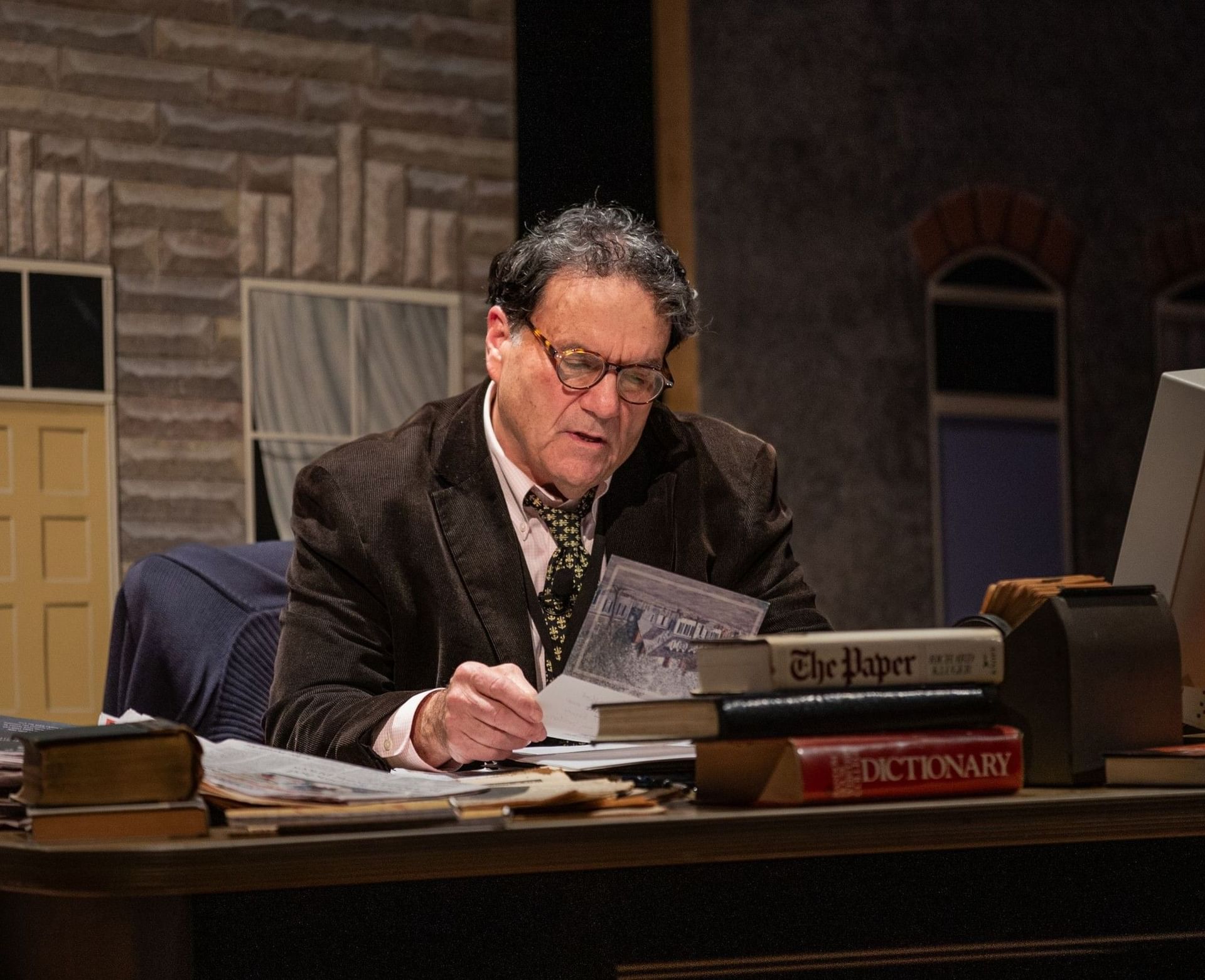
You're often said to hold the record for the longest-running newspaper column in the United States: more than 6,600 columns over a 46-year career at The Baltimore Sun. What does that legacy mean to you, and what responsibilities and challenges come with being a long-term documentarian of a city?
I was new to Baltimore in 1976, and being a reporter, then columnist, I learned so much about the city and shared so many stories with readers that, at some point, I think they looked to me for help in understanding things. That came with time. When I started out, I was certain no one in Maryland cared about the opinions of a 24-year-old kid from Massachusetts. I hadn't even formed a lot of my own opinions yet. So The Sun—at first, The Evening Sun—gave me time to learn and grow as a columnist. I eventually gained confidence in stating opinions and, for the most part, I think readers appreciated having someone whose views they could weigh against their own. The city went through a lot of hard times, a lot of turmoil, so there were many moments when I felt the responsibility to provide some perspective. And I embraced that role as the years went by.
Your first play was titled "Baltimore, You Have No Idea." What should visitors, and even longtime residents and natives, understand or appreciate about Baltimore?
That was a kind of sentimental expression of mine, but one that people who move here can relate to. Baltimore has many charms that you can't appreciate until you get up close. It's a big city with a small-town feel. We call it Smalltimore. I tried to express in that play how it felt to be new to town and embraced by native Baltimoreans. I feel very lucky to have landed here.

Each of your plays has been staged at the Baltimore Museum of Art’s Meyerhoff Theater, a block from The Study. Why is this venue the right home for the trilogy, and what is it about the BMA that aligns well with these stories?
It's the city's pride and joy, and the BMA happens to have a comfortable theatre that seats 360, just the right amount of audience for my plays to have the intimate atmosphere I thought we needed. Plus, there's Gertrude's restaurant. Many people who come to the play try to arrange a visit to the theater or the restaurant first. I wouldn't want to produce the plays anywhere else.
As someone who has spent decades documenting Baltimore, which local voices are on your radar right now? What excites you about this current cohort and the ways they’re shaping the city’s narrative?
For several years now, I've been watching and listening to a lot of young people who seem determined to make the best of Baltimore, who demand that it be a better city. I referred to them in columns as The Next Baltimore—that is, Gen X, millennials and soon Gen Z who get educated here or land a job here and decide to make a life here. That's a big difference from the attitudes I encountered when I first came to Baltimore, as the city lost so much population. Many of these Next Baltimoreans are on nonprofit boards or in neighborhood groups and determined to stay and fight for a better, more diverse and inclusive city. I think our young Mayor, Brandon Scott, represents the Next Baltimore.
What advice would you give Johns Hopkins students and families who want to make Baltimore part of their university experience? What resources or starting points can help newcomers better understand the city’s character, culture, and history?
I did a taco crawl through Fells Point and it was a great way to meet people. Mostly, I encourage walks. Take a bus somewhere—Lexington Market, Federal Hill, Locust Point, or anywhere downtown—get out and take a walk. Look at the incredible architecture. Stop and have a coffee somewhere. Go to Attman's Deli and stand in line for a corned beef sandwich. Each experience will be an education.